I
Grigory Gryaznoy is consumed by dark musings: the young oprichnik’s only thoughts are of the beautiful Marfa Sobakina. Unwilling to accept Marfa’s father’s refusal, he decides to prevent her wedding to Ivan Lykov.
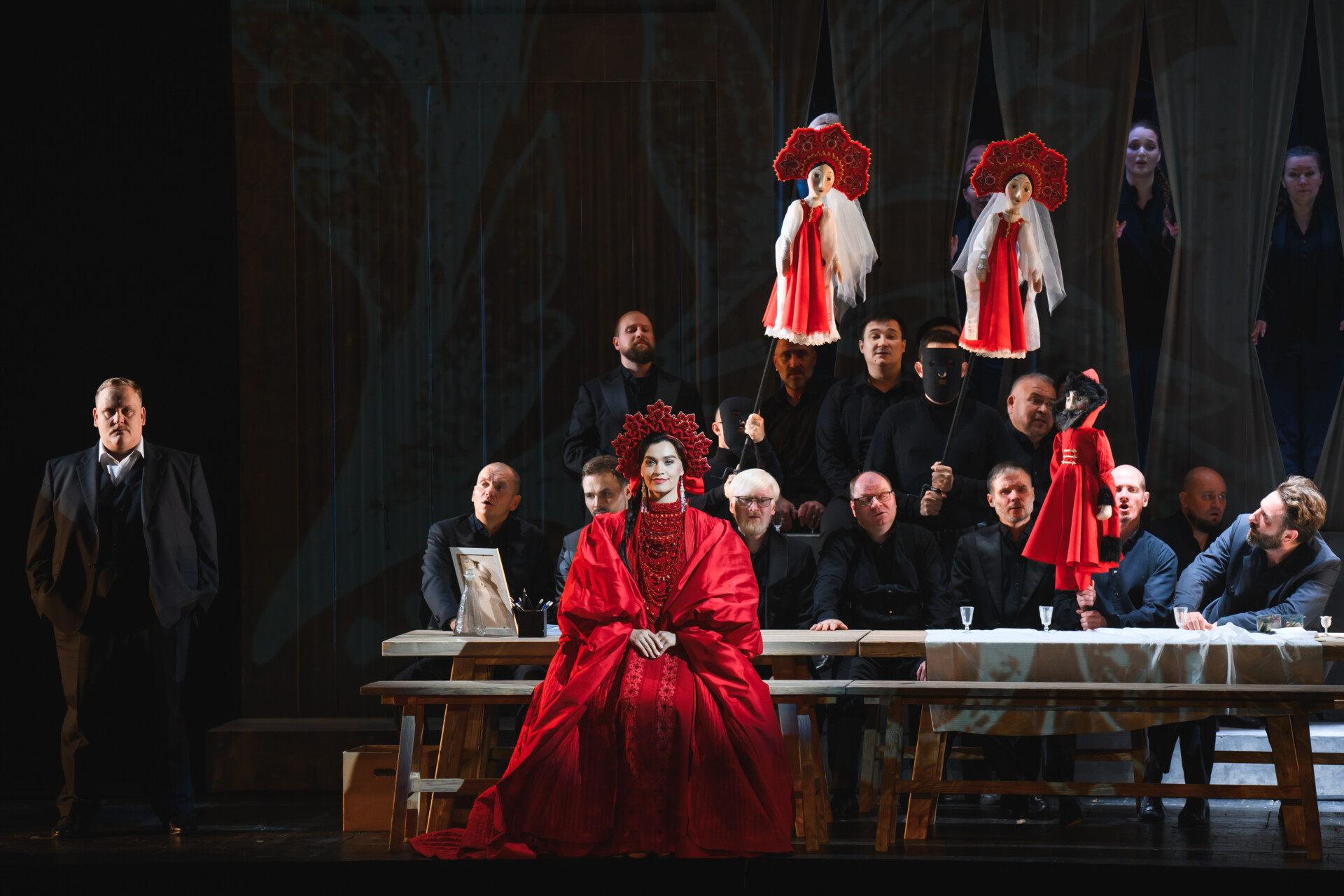
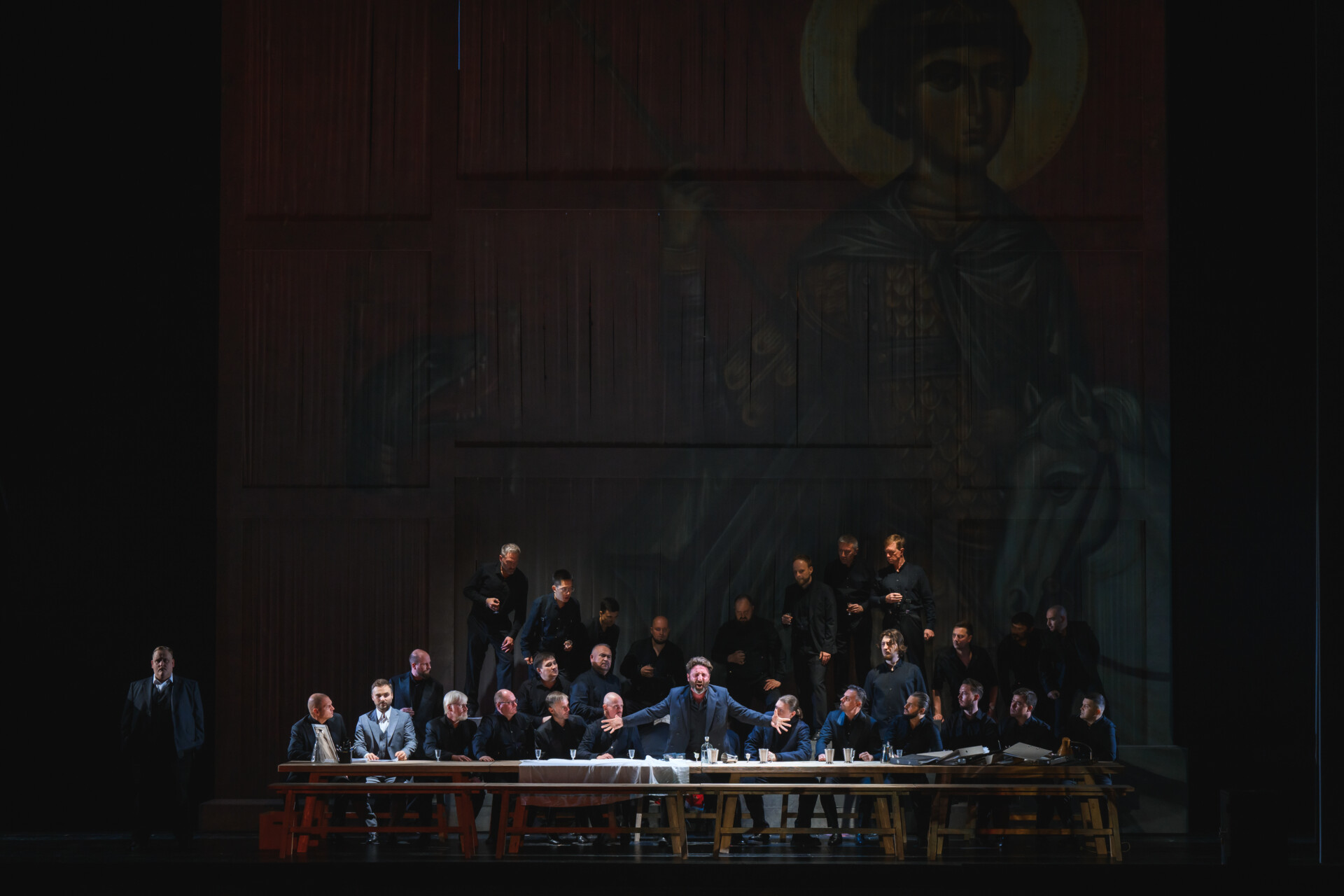
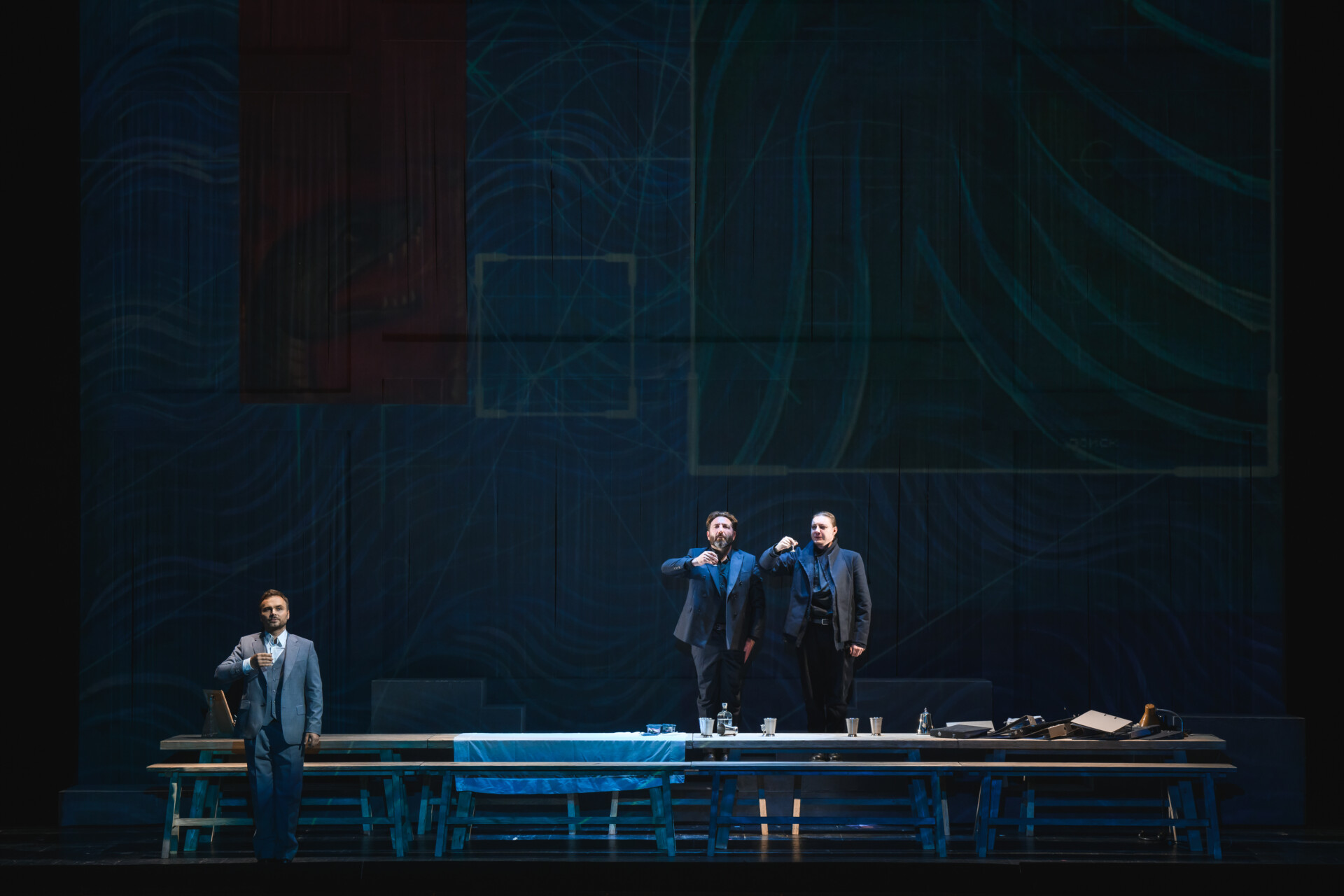
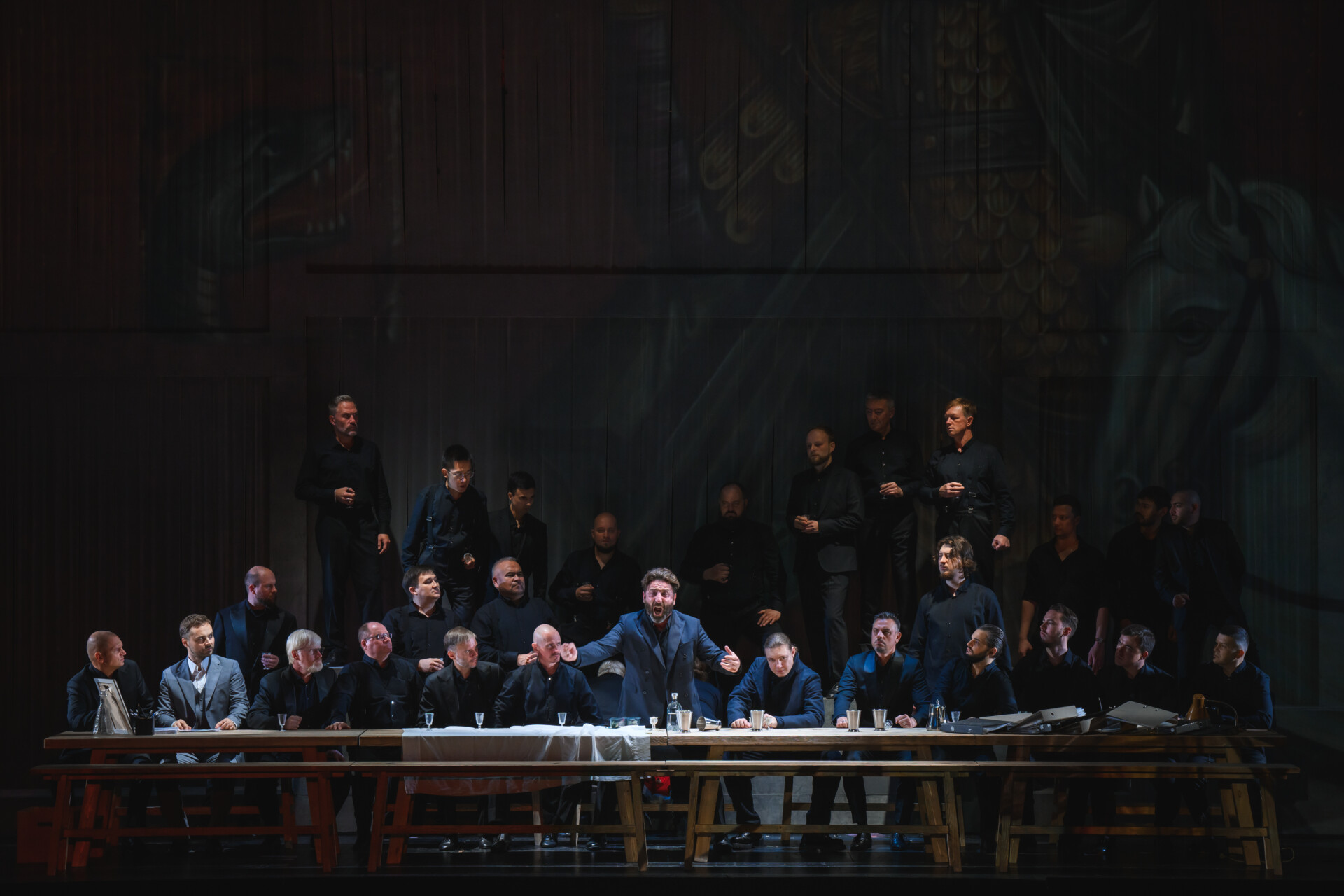
The oprichniks come, led by Malyuta Skuratov, and together with them is Lykov, who has returned from the foreign lands. He talks about life abroad, and in response, the oprichniks praise Tsar Ivan Vasilyevich.
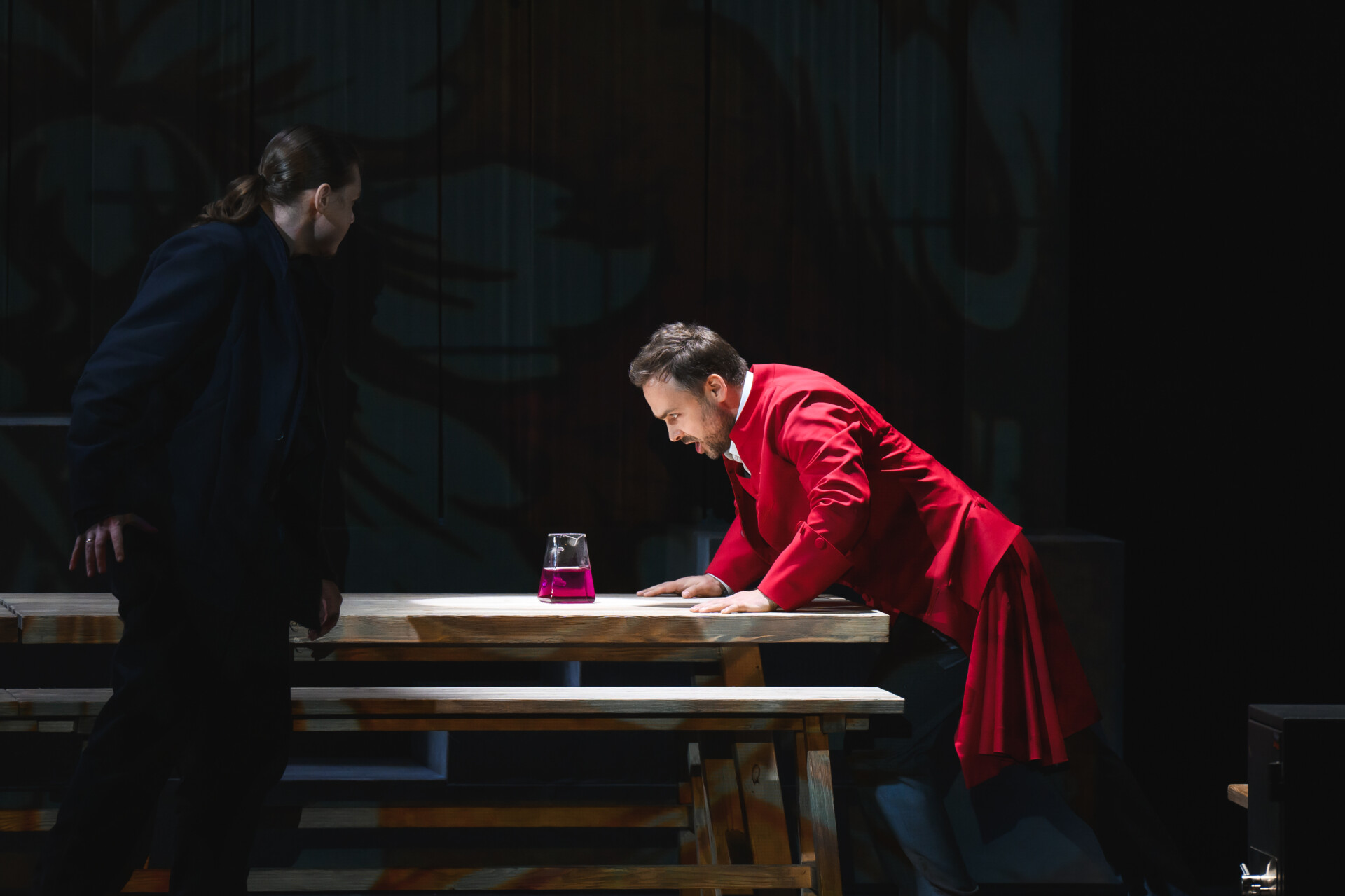
In the midst of the feast, Lyubasha, Gryaznoy’s mistress, appears. At Malyuta’s request, she sings a song, foreshadowing her imminent death. Among the guests is tsar’s physician Bomelius, from whom Gryaznoy asks for a love potion. Lyubasha overhears their conversation. She is desperately trying to win back Grigory’s love. But her tears and passionate pleas are in vain. Lyubasha vows to find the homewrecker.
II
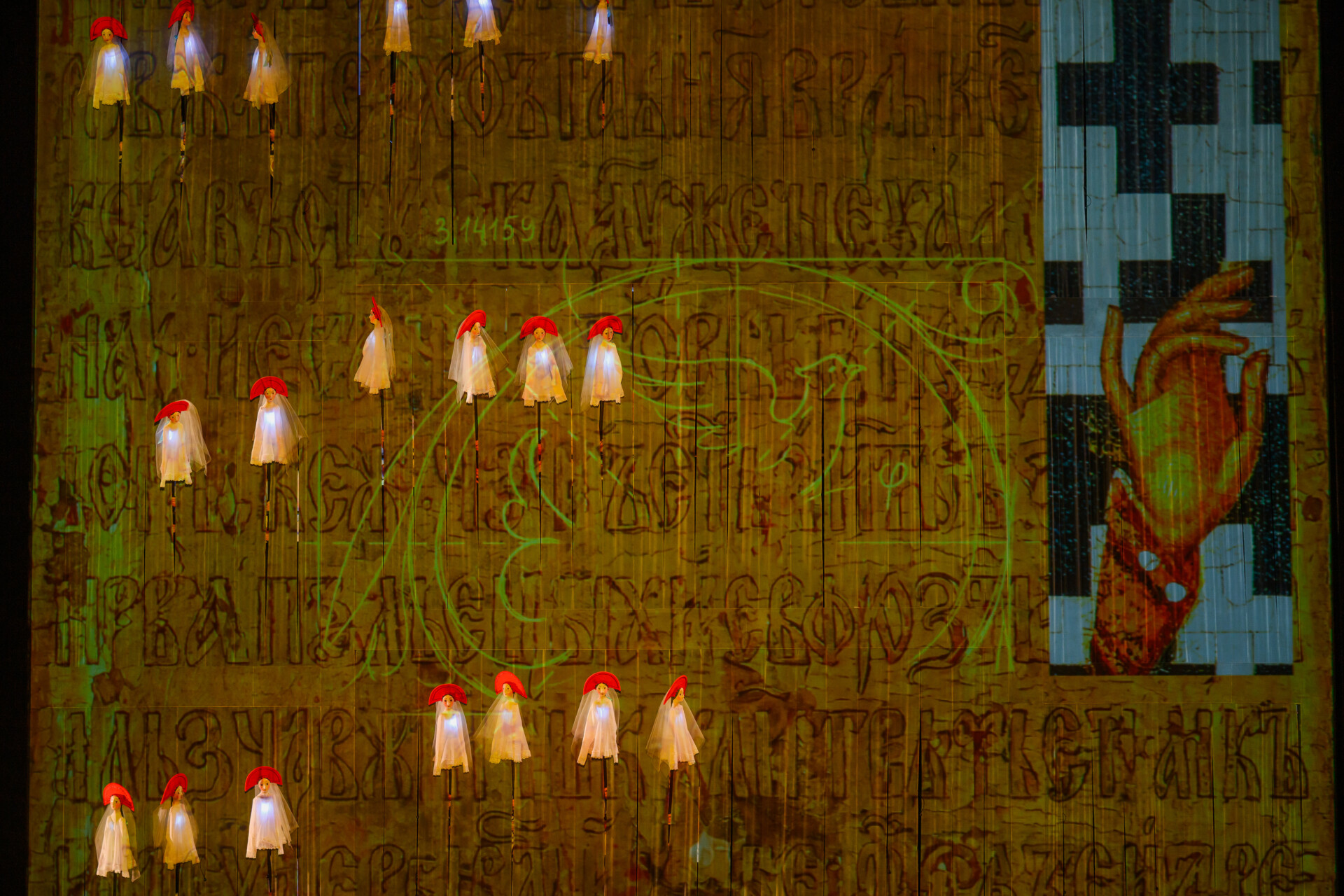
Marfa tells Dunyasha about the happy years spent with Lykov and about her feelings for him. A horseman passes by — the girls fail to recognize him as Ivan the Terrible, but are noticed by him. With the arrival of Lykov and Sobakin, everyone enters the house, where a feast begins to celebrate the return of Marfa’s groom.
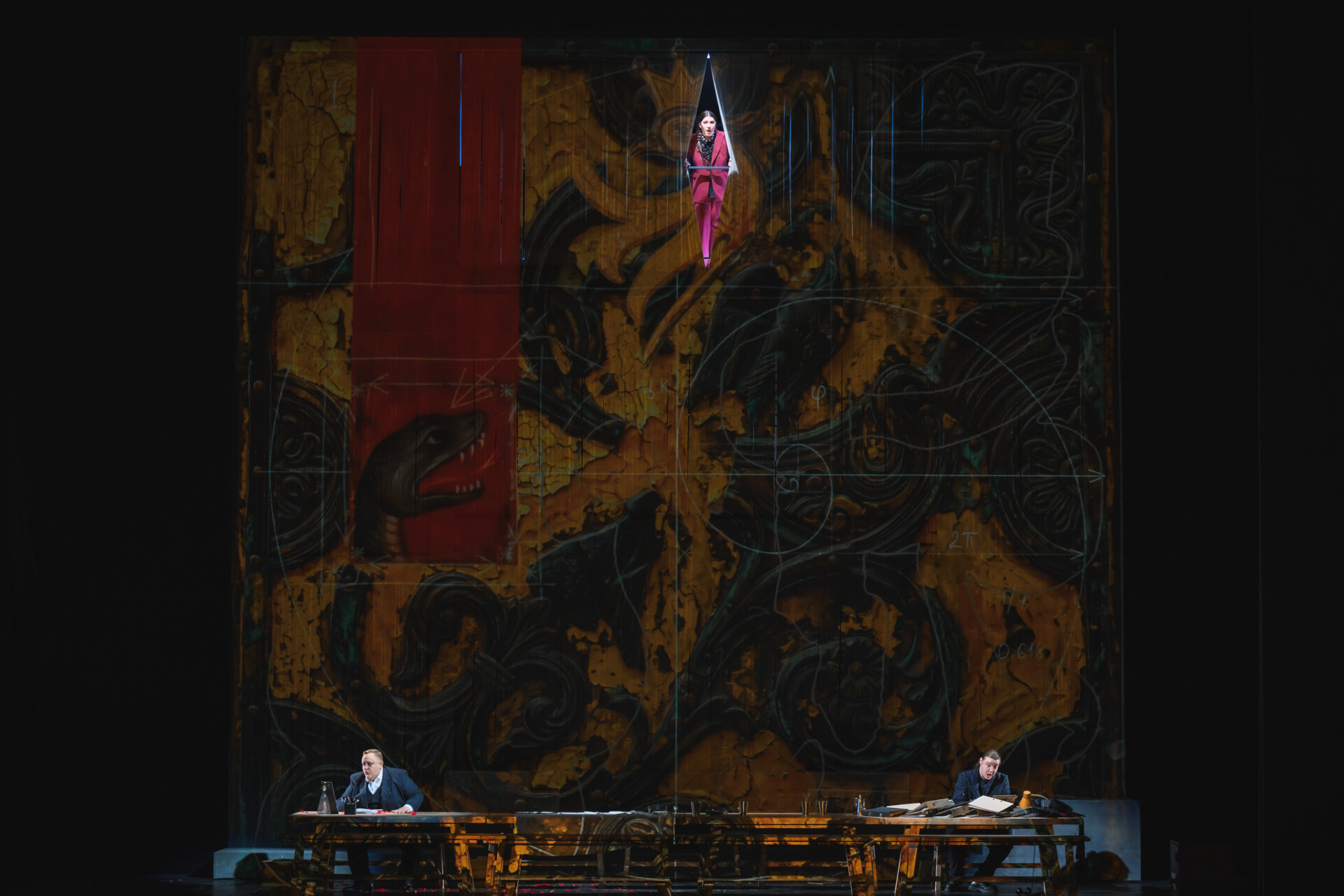
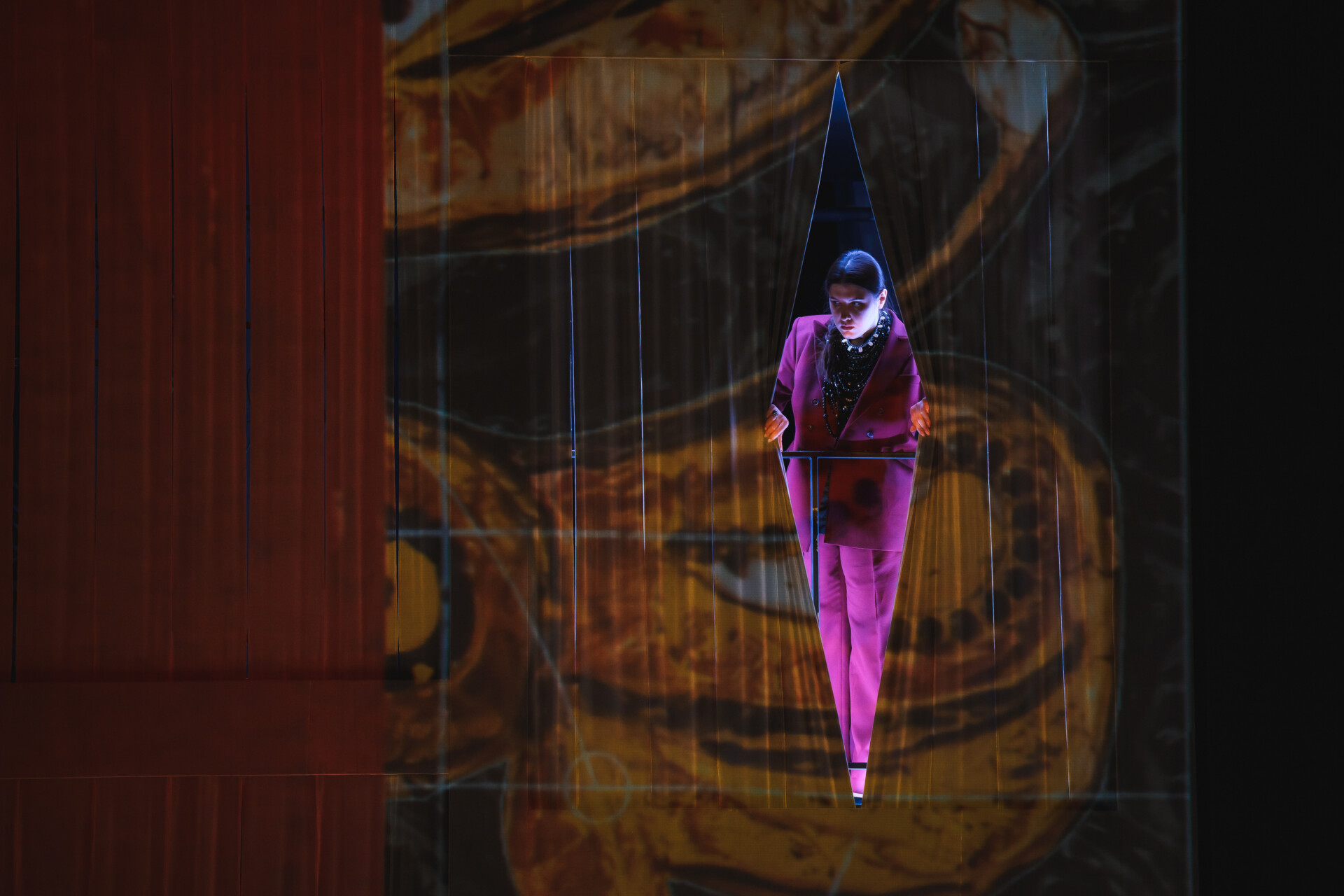
Lyubasha peeps into the window of the Sobakins’ house. Struck by the beauty of her rival, she decides to turn to Bomelius for a potion that should destroy Marfa. Bomelius agrees in exchange for her love. Indignant, Lyubasha wants to leave, but the physician threatens to reveal her secret to Gryaznoy. Overhearing happy laughter of Marfa and Lykov drives Lyubasha to a fatal decision.
III
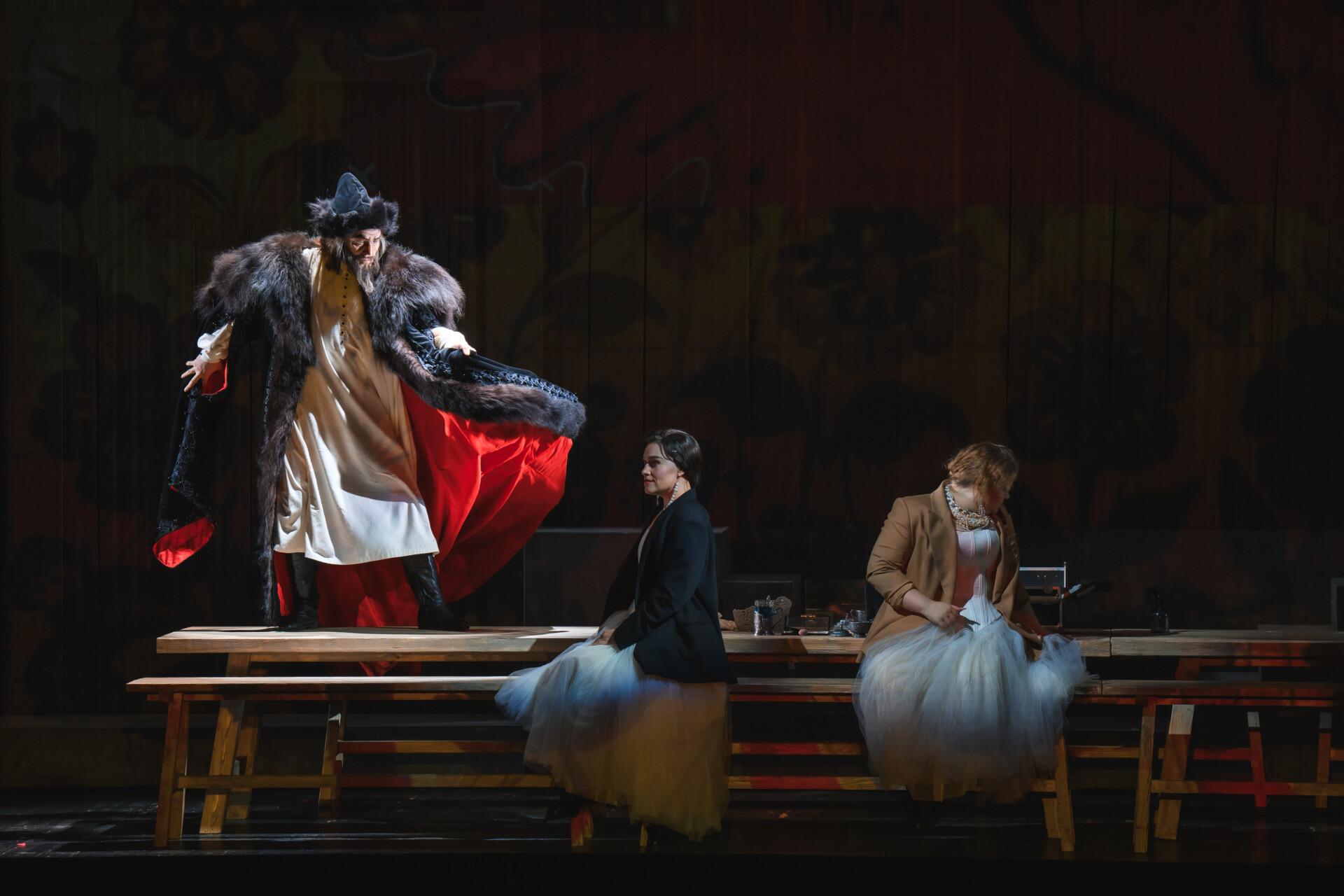
Marfa, along with Dunyasha and other boyar daughters, is summoned to the palace of the tsar. Sobakin tries to calm down the agitated Lykov, while Gryaznoy volunteers to be a groomsman at his wedding with Marfa.
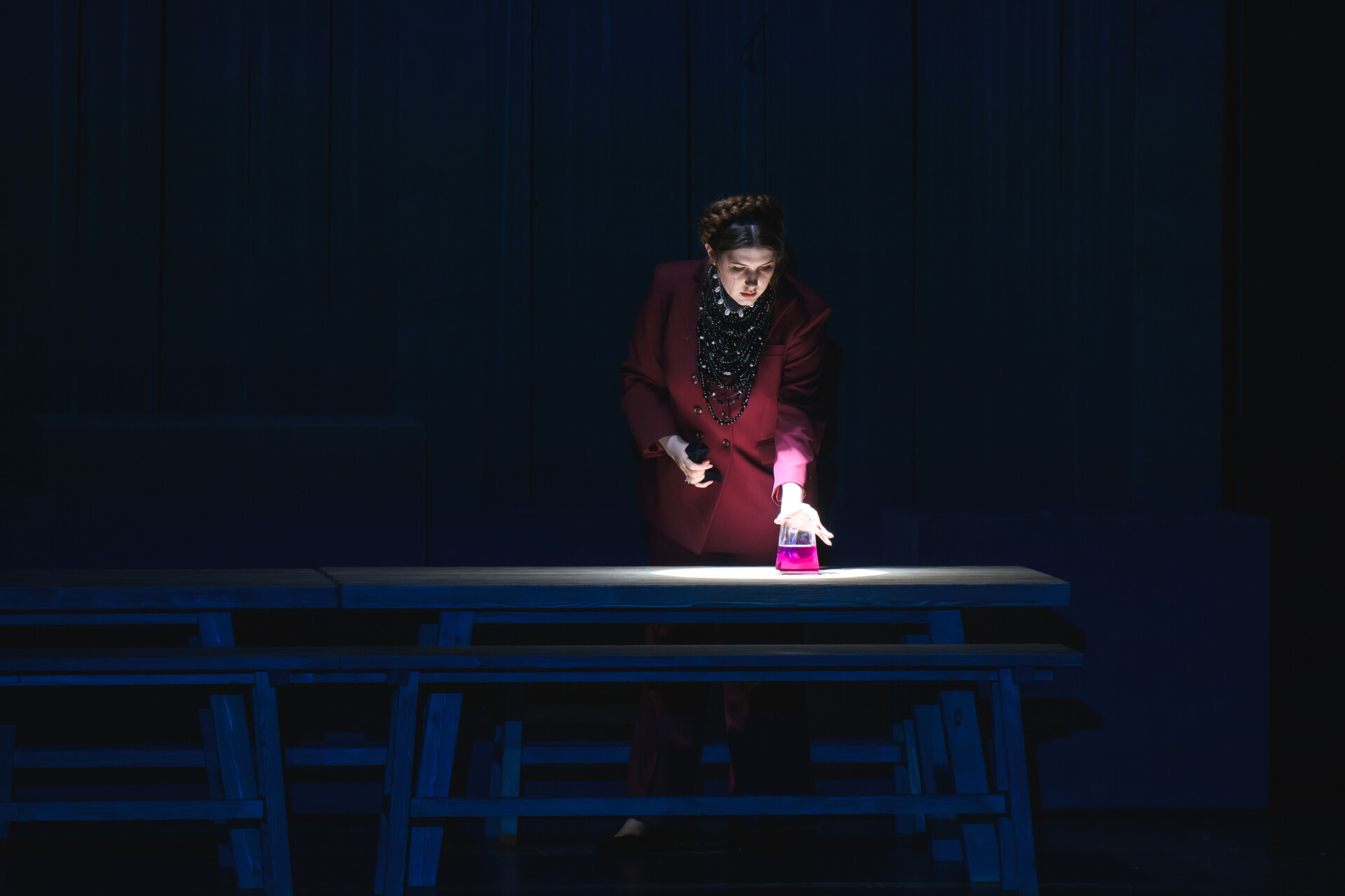
Domna Saburova returns from the bride-show: Ivan the Terrible has barely glanced at Marfa, but was very affectionate with Dunyasha — most likely, she is to be chosen the tsar’s bride. Gryaznoy offers to toast it, pours the drinks and, unnoticed, slips potion into Marfa’s goblet.
Suddenly Malyuta appears with the boyars: Marfa is to wed the sovereign and become his tsarina.
IV
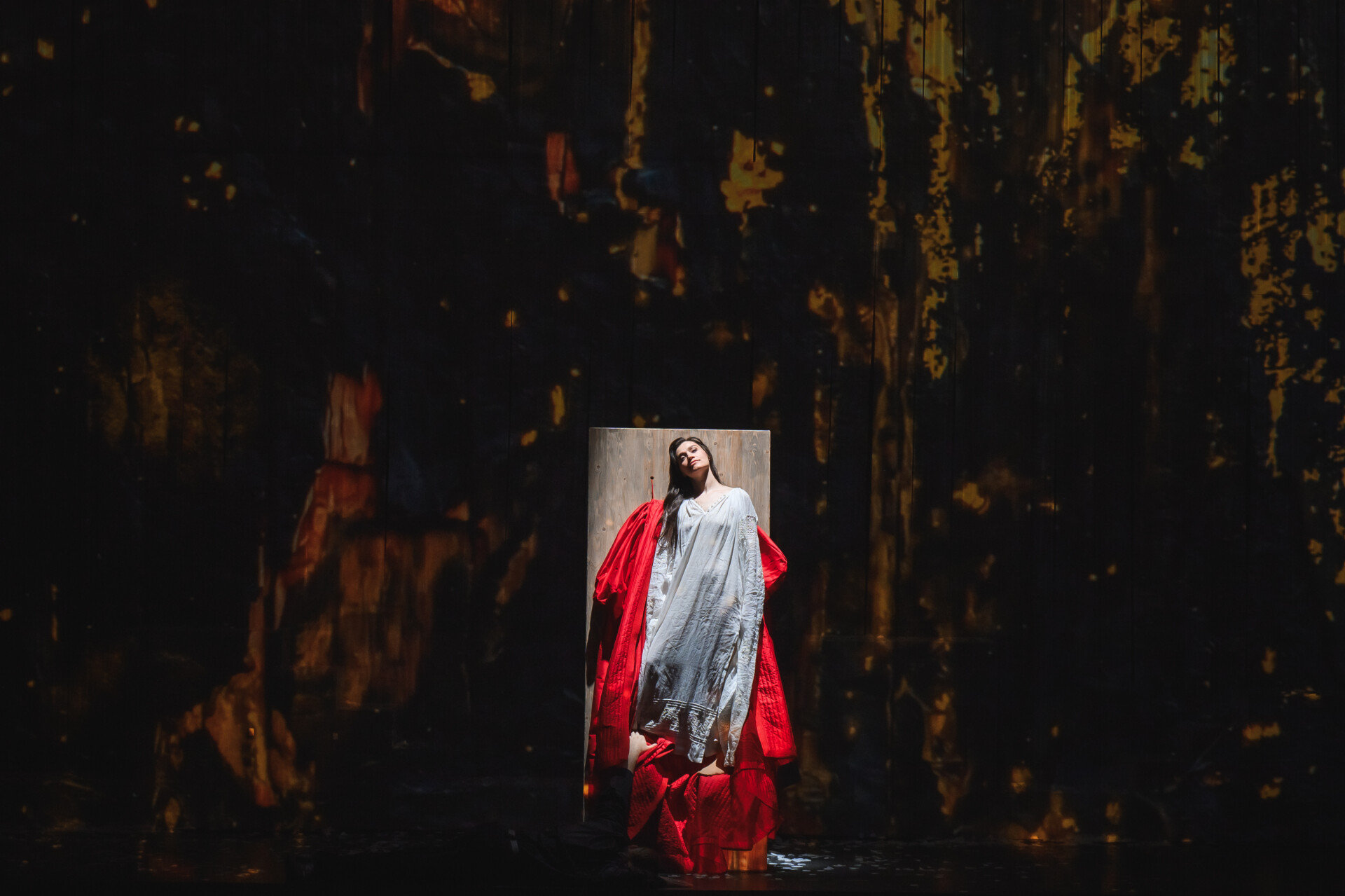
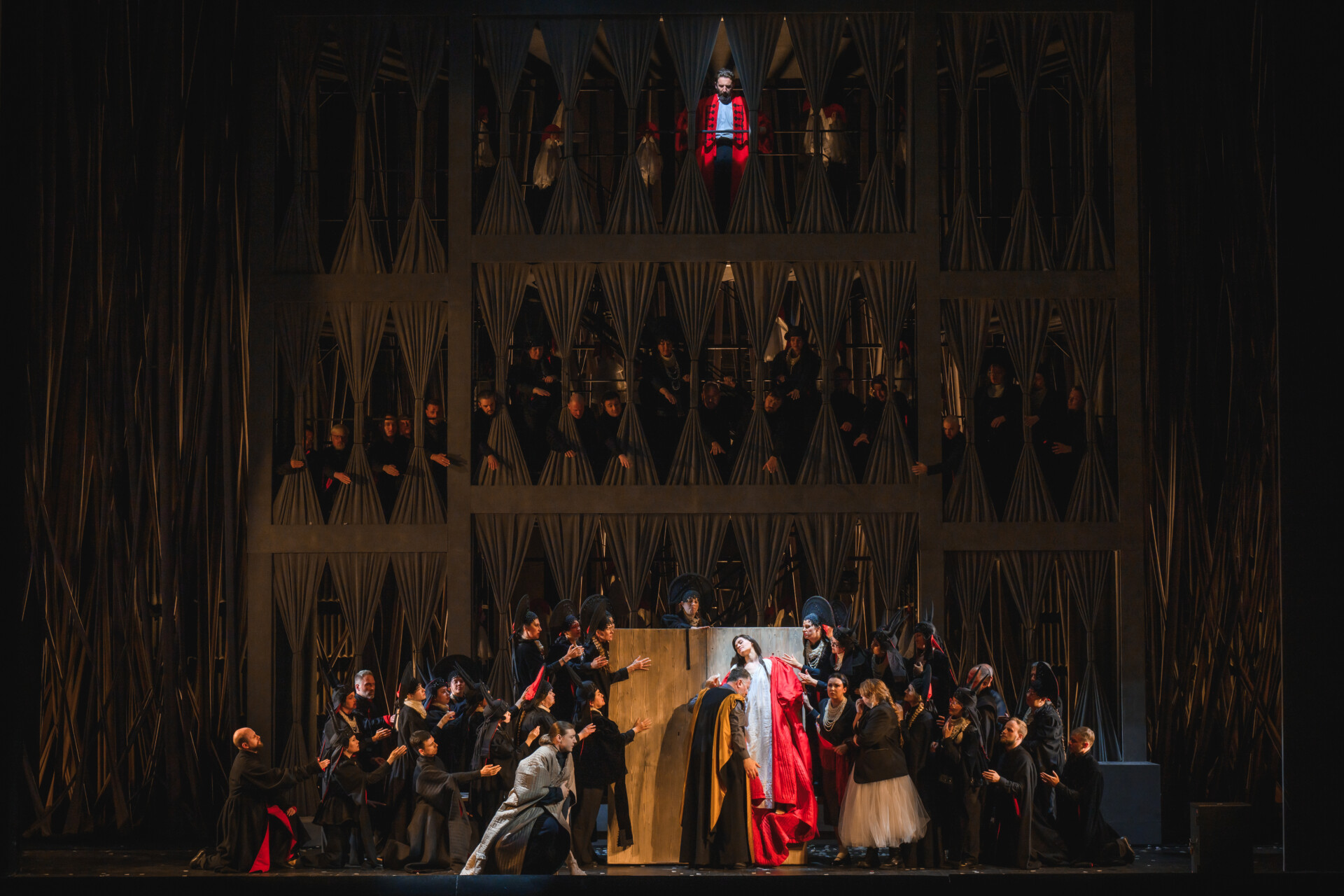
Sobakin is devastated by his daughter’s unknown illness that eats her away. Gryaznoy reports the tsar’s message: Lykov is declared poisoner and executed by order of the tsar. Hearing this, Marfa falls unconscious. Having woken up, she, in madness, mistakes Gryaznoy for Lykov.
Shocked, Gryaznoy confesses that he slandered Lykov and killed Marfa himself by giving her a love potion. The true culprit, Lyubasha, emerges from the crowd: she replaced the potion with poison. Gryaznoy stabs Lyubasha. Saying goodbye to Marfa, he begs for her forgiveness. Too late, she sees no one: all her thoughts are in the happy past, with Lykov.